
In today’s fast-paced digital world, having a strong online presence is crucial for businesses in India. Companies need to use modern tools to connect with their audience well. A good social media marketing plan is key for lasting brand growth in a competitive market.

It’s important to adapt to India’s unique digital world for long-term success. By focusing on this, you can turn simple communication into a powerful business tool. This makes sure your online presence stays interesting and relevant to your customers.
Using a strategic social media marketing plan helps you grow efficiently. When you focus on digital connections, you set the stage for steady brand growth. This guide will show you how to handle the digital world to reach your business goals.
Key Takeaways
- Digital strategy is vital for business success in India.
- A strong online presence builds trust with local consumers.
- Social media marketing acts as a core asset for scaling.
- Adapting to local trends ensures long-term brand growth.
- Consistent engagement turns followers into loyal customers.
Defining Your Brand Identity and Target Audience in India
Success in the Indian market starts with knowing your brand and who you’re talking to. Before you share anything, figure out what your business stands for and if it fits with what people in India want. A strong brand identity helps guide how you talk and look online.
Identifying Your Unique Value Proposition
Your unique value proposition (UVP) is what makes you different. It’s the reason people should pick you over others. Authenticity is important because people want brands that solve real problems honestly.
Think about what makes your product or service special. Is it better customer service, features that fit local needs, or a good price? Show these strengths often. This way, your target audience will see your value right away, building trust from the start.
Mapping the Indian Consumer Persona
India is very diverse, with many languages, traditions, and ways of shopping. To succeed, you need to know your audience well. Think about what people in different areas like, how they spend money during festivals, and who makes buying decisions.
Make your messages personal and relevant by targeting these specific groups. Cultural resonance can make your campaign go viral. Always try to speak your customers’ language, both literally and in meaning.
Analyzing Competitor Presence in the Local Market
Studying your competitors shows you what’s missing in the market. See what they do well and where they fall short. This helps you stand out as a better choice or the missing piece.
Watch how your competitors do on social media. See what content works for them and use that for your own plans. By paying attention, you can quickly grab chances that others miss, keeping your brand competitive and agile.
Selecting the Right Social Media Platforms for Your Business
Choosing the right social media platforms is key. You need to match your brand goals with each platform’s strengths. This way, you can make the most impact. Focus on where your audience is most active to save resources and boost engagement.

Leveraging Instagram for Visual Storytelling
Instagram is great for brands that love visuals and stories. It’s perfect for younger demographics who love quick, visual content. Use high-quality images and short videos to connect with your followers on an emotional level.
Utilizing LinkedIn for B2B Growth
LinkedIn is a must for professional networking or corporate services. It’s the best for B2B marketing. Share white papers, updates, and insights to show your expertise and build trust with decision-makers.
Tapping into Facebook for Community Building
Facebook is key for building lasting relationships. Create groups or pages for discussions and feedback. It’s highly effective for keeping a loyal community that feels connected to your brand.
Exploring Regional Platforms and Trends
The Indian market is diverse, needing brands to explore local platforms. Many users prefer platforms in local languages and cultural interests. Keep up with regional trends to reach more people.
Adapting to local channels can give you a big edge. By understanding local digital habits, your brand stays relevant and accessible nationwide.
Developing a Content Strategy for Social Media Marketing
A strong digital strategy is key for any brand in India. Without a plan, your efforts might not hit the mark. A clear strategy makes sure every post helps your business grow.
Creating a Content Calendar
Being consistent is crucial for building a loyal following. A content calendar helps plan your posts ahead. It keeps your brand fresh in your followers’ minds.
Think about when your audience is most active in India. Posting then can boost your reach. Keeping things organized helps maintain a professional image.
Balancing Promotional and Educational Content
Good social media marketing mixes sales with value. Too much promotion can lose followers. Share industry tips and stories instead.
Sharing knowledge makes your brand a trusted authority. This builds trust and is vital for growth. Here’s how to split your content:
| Content Type | Primary Goal | Frequency |
| Educational | Build Authority | 50% |
| Promotional | Drive Sales | 30% |
| Community/Engagement | Foster Loyalty | 20% |
Adapting Content for Cultural Nuances
India’s diversity means different cultural tastes for brands. A good digital strategy respects these differences. Ignoring them can harm your brand’s image.
Always check your content for cultural sensitivity. Showing respect for local traditions strengthens your bond with the audience. This is what makes a brand truly connect with its market.
Optimizing Profiles for Maximum Visibility

Your social media profile is often the first thing people see of your brand. It’s like your digital storefront. If it looks messy or unprofessional, people might choose a different brand. Effective profile optimization is key to building trust and a strong online presence in India.
Crafting Compelling Bios and Descriptions
A great bio tells people who you are, what you do, and why they should care. You have a small space, so every word matters. Make it clear and include a call to action to your website or shop.
- State your unique value proposition clearly.
- Include relevant keywords that describe your services.
- Add a link to your primary landing page or contact form.
“Your brand is what other people say about you when you’re not in the room.”
— Jeff Bezos
Using Consistent Branding Elements
Consistency is key to brand recognition. When users see your website and social media, they should recognize your style. Use the same logo, colors, and tone of voice everywhere.
This consistency makes users associate certain colors and styles with your products. It builds trust and is crucial for growth. Make sure your profile pictures and cover photos are high-quality and updated.
Implementing SEO Best Practices for Social Profiles
Many businesses forget about social media SEO when setting up accounts. By using keywords in your display name, bio, and captions, you make it easier for people to find you. This simple step boosts your visibility.
To reach more people, focus on these technical elements:
- Keyword-rich handles: Use your brand name and a primary service keyword if possible.
- Alt text: Always add descriptive alt text to your images to improve accessibility and search indexing.
- Location tagging: For local businesses in India, ensure your city or region is clearly stated in your profile settings.
By improving these details, you strengthen your online presence and keep your brand identity consistent. Consistent content creation and smart social media SEO will help you stand out online.
Executing Effective Engagement Tactics
In the lively Indian market, engagement is key to any digital strategy’s success. It turns followers into brand supporters who promote your products. By focusing on audience engagement, you make a space where customers feel heard and valued.
Responding to Comments and Messages
Quick communication builds trust. When someone comments or messages you, they expect a fast, personal reply. Not responding can make your brand seem uncaring.
Here are some tips to keep your service high:
- Always reply to comments, even with just an emoji or a thank you.
- Deal with negative feedback kindly and move it to private messages.
- Use a consistent brand voice in every reply to reflect your values.
Hosting Interactive Polls and Q&A Sessions
Interactive content helps you get direct feedback from your community. Polls let followers help decide on new product features. This makes them feel part of your brand’s story.
“True influence is not about the number of followers you have, but the depth of the connection you build with them through consistent, meaningful interaction.”
Q&A sessions show off your expertise and solve common problems. They make your brand more relatable and help you understand your audience’s needs.
Building Relationships with Local Influencers
Influencer marketing is crucial for reaching different areas. Working with influencers who share your values taps into trusted communities. This method is more effective than ads because it’s based on real recommendations.
When choosing influencers, look for these qualities:
- Relevance: Does their content match your industry and brand?
- Engagement Rate: Are their followers active in their discussions?
- Authenticity: Do they genuinely connect with their audience?
Building these relationships takes time and respect. View influencers as partners for lasting success and credibility.
Mastering Paid Advertising Campaigns
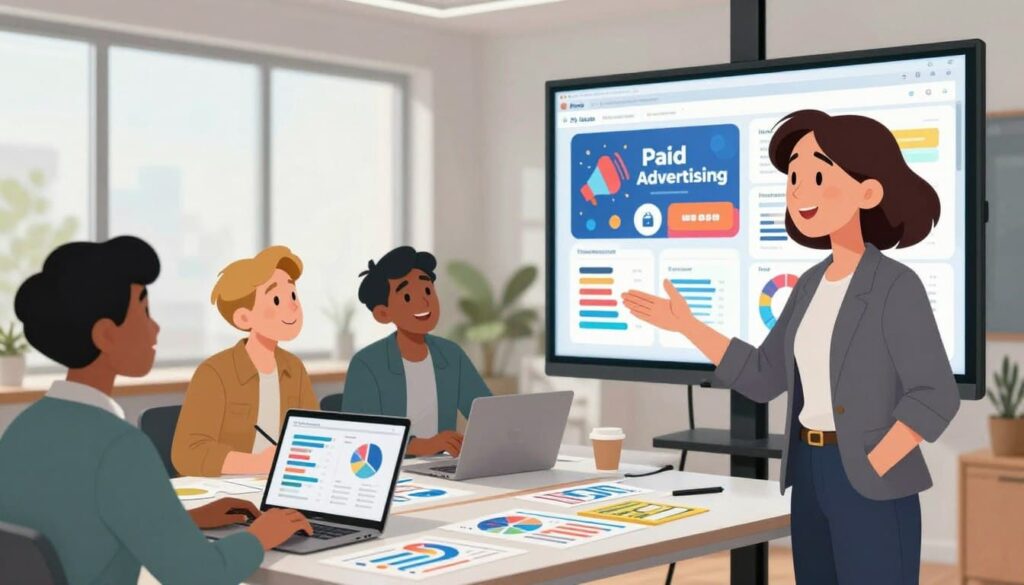
Paid advertising is a key tool for brands wanting to grow online in India. It’s fast and precise, unlike organic content. By planning well, your brand can be seen by the right people at the right time.
Setting Clear Campaign Objectives
Before starting any ad, you need to know what success means for your business. Do you want to increase brand awareness or focus on lead generation? Clear goals help guide your efforts and ensure your message matches your business aims.
For example, a new startup in Bengaluru might aim for video views to introduce a product. On the other hand, a big e-commerce site might want more website clicks to sell more. Setting these goals early helps avoid waste and keeps your team focused.
Targeting Specific Demographics and Interests
Digital platforms are great because they let you target very specific target audience. You can choose based on location, age, job, and even shopping habits. In India’s diverse market, this precision is key to avoiding wasted ads.Use special tools to find people interested in your field or competitors. By narrowing your audience segments, you make sure your budget goes to the most likely customers. This focus is crucial for a successful campaign.
Managing Budgets for Optimal ROI
Managing your budget well is key to success in digital marketing. Watch your spending daily to make sure every rupee adds to ROI optimization. Start small to see which ads work best before spending more.
The table below shows how different goals affect your budget and results:
| Campaign Goal | Primary Metric | Budget Focus | Expected ROI |
| Brand Awareness | Impressions | Broad Reach | Long-term Growth |
| Lead Generation | Form Submissions | High-intent Clicks | Immediate Sales |
| Engagement | Likes/Comments | Interactive Content | Community Loyalty |
By regularly checking your data, you can move money to ads that work best. This ongoing improvement is essential for ROI optimization. It helps your brand grow steadily while keeping costs low.
Analyzing Performance Metrics and Data
Data-driven decision-making is key to a successful digital strategy in today’s competitive Indian market. It helps businesses understand what their local audience likes. This way, every post has a clear purpose in your marketing plan.

Tracking Key Performance Indicators
To measure success, focus on metrics that show real audience engagement. Look at how users interact with your brand on different platforms. Choose metrics that match your business goals, like website clicks or lead forms.
Regular monitoring shows trends in user behavior over time. For example, you might find that your Indian audience likes video content in the evenings. By noting these patterns, you can adjust your posting schedule for better visibility.
Using Analytics Tools for Insights
Using professional social media analytics tools is crucial for deep insights. Most platforms have dashboards for basic data like reach and follower growth. But third-party tools offer more detailed insights into sentiment and competitor analysis.
These tools turn complex data into easy-to-read reports. By analyzing this, you can see which content formats are most valuable. This helps you stay ahead in a crowded digital space.
Adjusting Strategies Based on Data
The last step is using your findings to improve ROI optimization. If a campaign doesn’t meet expectations, data usually shows why. Then, you can change your approach, try new things, or adjust your targets for better results.
This cycle of testing and learning sets top brands apart. Remember, data is for looking forward, not just backward. By being flexible and responsive, your brand stays relevant and effective.
| Metric Category | Primary KPI | Business Impact |
| Awareness | Total Reach | Brand visibility growth |
| Engagement | Interaction Rate | Community loyalty building |
| Conversion | Click-Through Rate | Direct sales and leads |
| Retention | Follower Growth | Long-term audience value |
Integrating Social Media with Overall Business Goals
To grow your brand, your social media must tie into your main business goals. Many Indian companies treat their online profiles as separate things. But, good social media marketing means every post should help your bigger business plan.
Driving Traffic to Your Website
Your social media should boost your digital strategy. Instead of just seeking likes, aim to send users to your website. There, you control their experience.
- Use clear and compelling Calls to Action (CTAs) in every post.
- Share deep-link content that leads directly to relevant product pages or blog posts.
- Utilize “Link in Bio” tools to manage multiple destination URLs effectively.
Converting Followers into Loyal Customers
Building trust is the first step to customer conversion. Once you grab someone’s attention, you need to keep the relationship strong for brand loyalty.
Engage your audience by answering their questions and offering helpful resources. When followers feel valued, they’re more likely to become paying customers. Personalization is crucial; tailor your messages to meet the needs of your Indian audience.
Aligning Social Media with Sales Funnels
A good social media plan fits your sales funnel perfectly. Make sure your content supports users at every step, from discovery to purchase.
At the start, share educational content to raise awareness. In the middle, use social proof like testimonials to build trust. Finally, offer special deals to push users toward buying, making the transition smooth.
Navigating Legal and Ethical Considerations
Trust is key in today’s digital world, especially in India. Brands that focus on ethical marketing show they care more than just making sales. By following the law, you keep your reputation strong and build real connections with people.
Understanding Data Privacy Regulations
Data privacy is a big deal today. In India, businesses must know the Digital Personal Data Protection (DPDP) Act. It tells you how to handle user data.
Make sure your social media campaigns ask for clear consent. Being open about data use builds genuine confidence. Being legal is not just a rule; it shows you’re trustworthy.
Maintaining Transparency in Sponsored Content
Today’s consumers want honesty. When working with influencers or running ads, be upfront. Follow the Advertising Standards Council of India (ASCI) rules to stay honest.
Label ads clearly as “Ad” or “Sponsored”. This honesty stops confusion and keeps your brand’s image clean. Transparency turns casual viewers into loyal fans.
Handling Negative Feedback Professionally
Even top brands get criticized online. How you handle negative comments shows your brand’s true character. Instead of ignoring complaints, see them as chances to show great customer service.
Answer quickly and with kindness to show you value feedback. If a problem needs more talk, move it to a private chat. Handling feedback well can turn a critic into a loyal fan.
Conclusion
Success in the Indian digital market needs a mix of clear identity and consistent action. Brands that do well focus on ethical engagement and staying true to their values. This builds trust with people in different areas.
Data is your best friend on this path. It helps you understand how to improve your strategies. Making small changes based on real data can lead to big growth in reach and loyalty.
The world of social media is always changing and full of chances. Start using these tips now to boost your online presence. Your dedication to quality content and real interaction will shape your lasting impact in the competitive Indian market.
FAQ
Why is it necessary to define a Unique Value Proposition for the Indian market?
The Indian market is very competitive and diverse. A Unique Value Proposition (UVP) helps your brand stand out. It shows what makes your brand special and meets specific consumer needs.
Which social media platforms are most effective for B2B versus B2C growth?
LinkedIn is best for B2B networking and lead generation. For B2C, Instagram is great for visuals and Facebook for building communities. In India, using ShareChat can help reach more people in smaller cities.
How can I improve the discoverability of my social media profiles?
Use SEO in your profiles to boost visibility. Include relevant keywords in your bio and descriptions. Use consistent branding and high-quality images that match your brand.
What is the best way to balance different types of content on a social media feed?
Mix promotional content with educational material in a structured calendar. Offer value through tips and insights to build trust. Then, use promotional posts to drive sales. Always consider cultural nuances to connect with your audience.
How do influencers contribute to a brand’s social media strategy in India?
Local influencers help brands connect with communities and gain credibility. They make the brand more relatable and expand its reach. This is crucial in India’s complex digital market.
What metrics should I track to ensure my social media strategy is working?
Focus on engagement, click-through, and conversion rates. Use tools like Google Analytics or Hootsuite for insights. This helps make data-driven decisions and improve ROI.
How can I align social media activities with my existing sales funnels?
Drive traffic from social media to landing pages to nurture followers. Use targeted ads and interactive content to move followers through the sales funnel.
What are the legal considerations for social media marketing in India?
Follow data privacy laws like the Digital Personal Data Protection Act. Be transparent in sponsored content and handle negative feedback well. This protects your brand’s reputation and ensures ethical engagement.